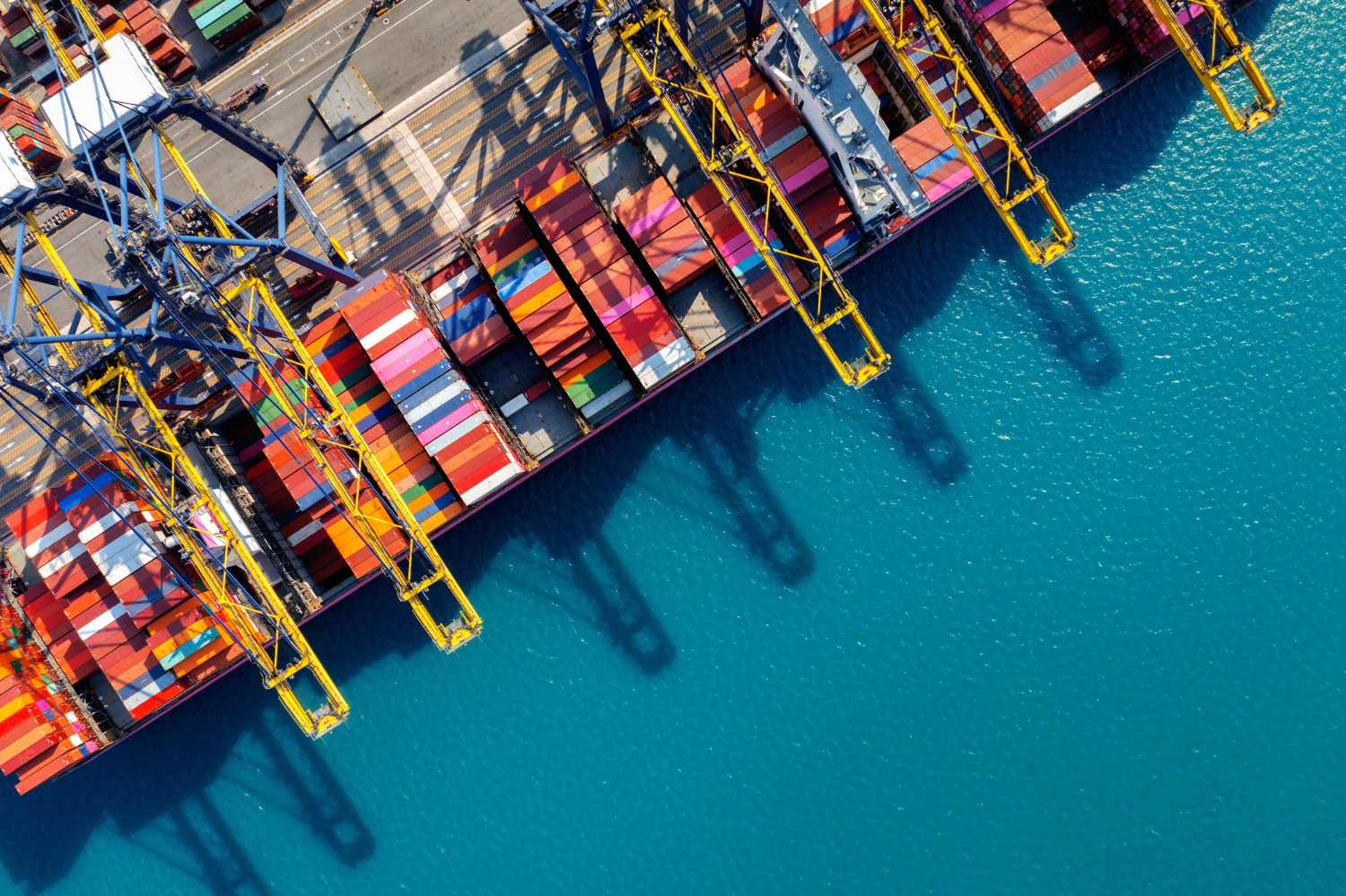
The World Trade Organization (WTO) authorized, on Wednesday (26.01.2022), China to impose tariffs on products from the United States at a value of 645 million dollars, in reprisal for US antidumping measures, in a dispute dating back to 2012. “In the light of the arguments and evidences submitted by the parties in this proceeding, we determined the adequate level (…) does not exceed 645.121 million dollars per annum“, stated by the WTO arbitration in a report. Immediately, the US government qualified as “deeply disappointing” the authorization. The United Sates cannot appeal this decision, but the green light of the WTO does not prejudge the decision of China to impose or not the sanctions, completely or partially, in the form of surcharge on a series of US products. The WTO decision is framed in an old dispute between the two economic powers on the antidumping measures applied by the United States to multiple Chinese products, such as steel, wind masts, paper, and pipes. In 2012, the WTO established a group of experts at the request of China. The United States had justified the measures when arguing the need to compensate the Chinese subsidies to certain industrial sectors. According to the definition of the WTO, “if a company exports a product at a lower price than that normally applied in the market of its own country, such company carries out “dumping’”.

Call for Participation: III Development Forum of Latin America and the Caribbean with China (August 17–18, 2026, Zhengzhou)
Organized by SELA and the Chinese Academy of Social Sciences (CASS), this forum will take place in Zhengzhou, China, on August 17 and 18, 2026. The event aims to enhance economic connectivity and foster shared prosperity through high-level strategic dialogue.